When You Buy a Used Car, You are Not Entitled to a New Car
- Sonny's Auto Repair
- May 7, 2020
- 6 min read

Many people will only drive new cars. More than that, they will only lease new cars so they can turn it in and get a new car every few years. Others prefer to buy used cars, which are cheaper to buy. The issue is that when you buy a used car, you are getting a used car. We would all love to expect that when we buy a used car, it has been completely overhauled from top to bottom and bumper to bumper. This is most definitely not the case. When you buy a used car from a dealership, chances are they have done a lot of work to get the car cleaned up and roadworthy. During the process of negotiating the price, you may be able to get the dealership to do some sort of repair or parts replacement. Chances are you will not be able to do that. Part of the deal when buying a used car is that you actually get a car that has been previously used. Cars have many parts that wear down during use, such as tires and brakes. When you buy a used car, you have to expect that these parts are going to show signs of wear. You might even need to have the car repaired or parts replaced before you can drive the car. The car might not even be able to pass inspection. Before you spend your money on a used car there are several things you should check. A simple visual inspection can easily spot some items and some may require the trained eye of a mechanic.
Check the history of the model
The good thing about a used car is that the car model has a few years of history. Cars tend to have the same issues. Research the car you are looking to buy. If, for example, the model car you are looking at has a history of transmission problems at about 75,000 miles and the car you are looking at is at 60,000 miles, and it is on its original transmission, you might have an expensive repair in your near future.
Do a Walk Around
There are a lot of things you can tell about a car just by walking around it. The first thing is the condition of the body. Are there signs of rust around the bottom? Rust is not unusual for older cars, especially in more humid climates. Rust can be a sign that the car had been sitting in deep water for a while. If you are seeing rust around the bottoms of the doors, you might very well have the same problem under the car. Small areas of rust, dents, and scratchs are probably not an issue, but when these blemishes are extensive, it could be a sign that the car was treated and driven rough, which is a bad sign when buying a used car. As you are walking around the car, take notice of the body panels. They should all be flush and line up evenly. If body panels appear out of place, it could be a sign that the car was in an accident. No good. Open and close all of the doors, the hood, the trunk, and even the gas cap. They should all move freely and smoothly. Any issues are a bad sign for the car. You should also check the tires of the car. Tires can tell you a lot about the life of the car. While you expect wear on tires, you should look for signs of excessive wear or rough use. If tires are wearing down to the threads, it is a sign that the car has not been properly maintained. If they have not taken care of the tires, did they change the oil? Are the treads on the tires wearing evenly? Are the sidewalls of the tires marked and scaped? Do the rims or hub caps look like they have been banging into curbs? A big red flag with tires is having four unmatched tires on the car. This can also be a sign as to how well the car was maintained and give you hints about the level of expenses you can expect if you buy the car.
You should also check to see how the car is sitting. It should be even front to back and side to side. If the care is leaning to one side or it is sitting too low, it could be a sign of serious issues with the suspension.
The last things to check on your visual inspection are the lights and windows. Make sure all of the lights work how they should. Brake lights are different than taillights and turn signals. If lights do not work, it could just be that a bulb is out, but it could be a sign of electrical problems. Any cracks on windows, especially the windshield or cracks in the light covers are also a problem. Certain cracks will keep a car from passing inspection.
Check the interior of the car
Many of the issues inside of a car could be cosmetic, such as ripped seats. Many things inside the car can tell you a lot about the car. How does the car smell? A foul odor can mean any number of things have gone wrong in the car or just that the car was not well cared for. Smelling cigarette smoke will tell you one thing, like how much it will cost to get rid of that smell, but a smell of mold and mildew is a sign of more serious problems. Check the trunk as well. Remove mats and open compartments. Any strange smell should be questioned. Check the controls, dashboard lights, pedals, emergency brake, anything that can move or light up should be checked to ensure they are working. Anything that is not working is something potentially dangerous. Check around the windows and roof. Look for signs of water or leaks, especially if there I sunroof, moon roof, or if the car is a convertible.
Check under the hood
There are many things you can quickly check under the hood, including fluid levels, belts, leaks in the radiator, and hoses. Take out the dipsticks and look at, touch, and smell the fluids. If the oil is dark and thick, it is a problem. If the transmission fluid is inky and smells burnt, there could be a problem. If you touch the fluid and you feel particles or oil is congealed, then there are issues. Other fluids include brake and power steering fluid. You should also check under the car for signs of leaks. You can also check for signs of leaks being recently cleaned.
Take a drive
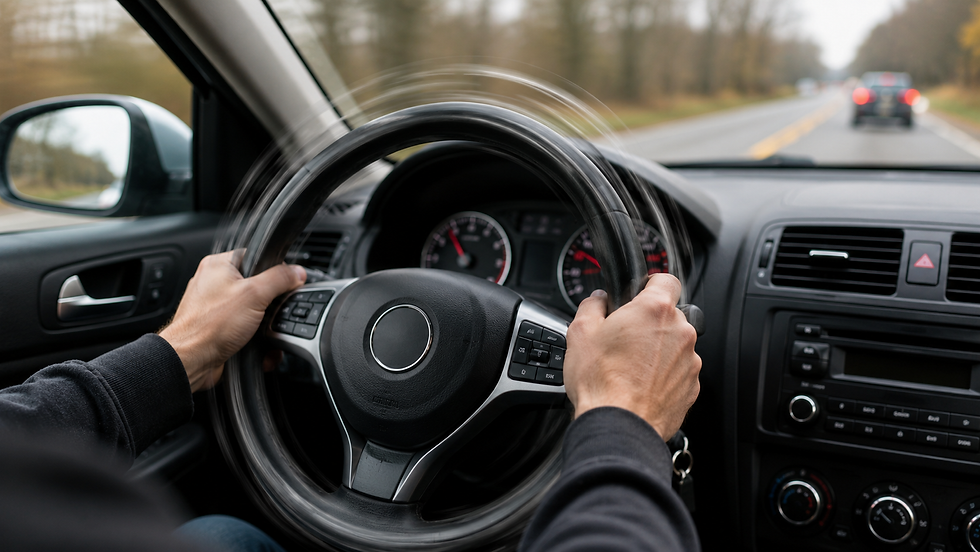
This is one of the most important parts of the inspection. Start the car. How does it sound? Did it start up fast, or did it have trouble turning over? Does the car shake? Are there any strange noises? When you drive the car, drive at different speeds, use all of the gears and hit brakes. Any issues you encounter on a road test should be questioned. A used car that is well maintained should ride smoothly.
Check the paperwork
If you are buying a car from a dealer, many of the issues we discussed are not likely to be an issue. If you are buying privately, you need to be careful. Check the registration against the person's drivers license. They should match, or at least be relatable, such as the registration being in a family member’s name as opposed to the person you are speaking with. If there is no registration or the information does not match, then you might be dealing with a scammer or a curbstoner, and you should not even consider buying the car. You should also take note of the vehicle identification number and check to see if the car had been involved in any accidents. Before you make your final decision, you should also bring the car to us to have us do a more detailed inspection. If the seller doesn’t allow you to have the car inspected, then you should walk away, they are trying to hide something. When you are ready to have the used car you are looking to buy inspected, call Sonny's Auto Repair at 516-822-3671.


Comments